
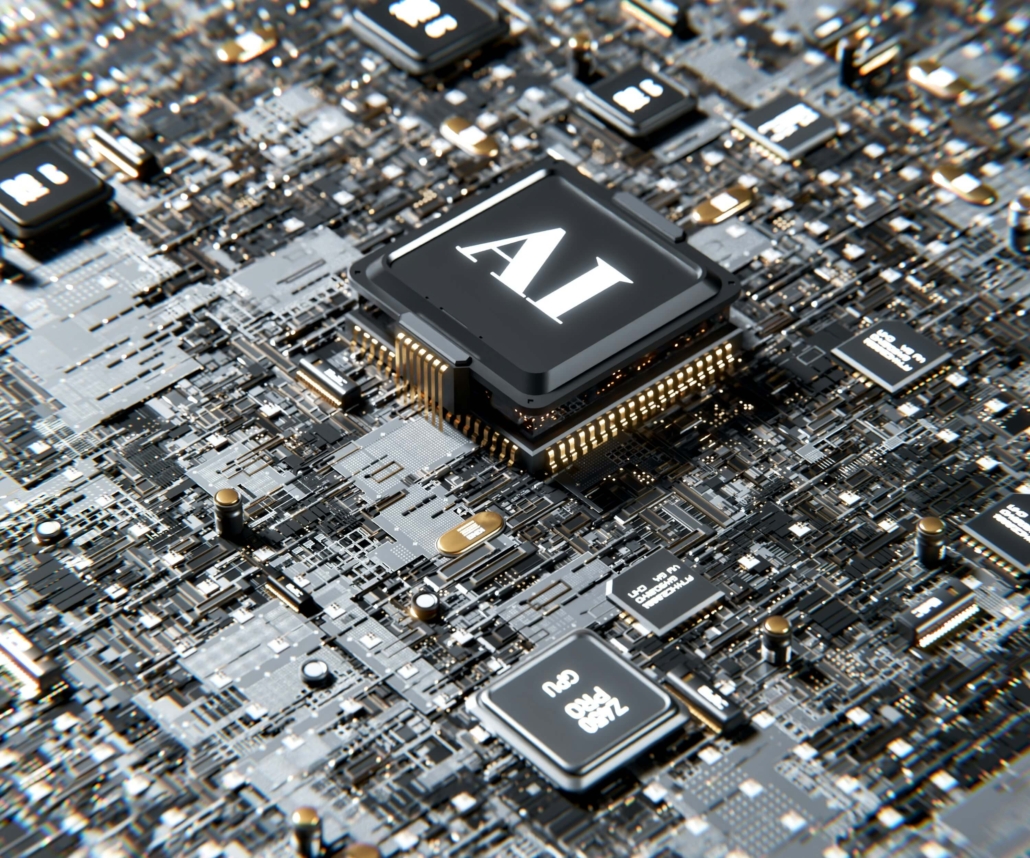
How to Enhance your Product Information with AI
In the world of e-commerce, the importance of providing comprehensive and accurate product information is imperative. Consumers demand more than just a flashy website; they crave detailed insights into the products they are considering. Artificial Intelligence (AI) offers innovative solutions to enhance product information and revolutionise the customer experience. In this blog post, we’ll explore how to enhance your product information with AI, driving customer engagement, and ultimately boosting sales.
Automated Product Descriptions
One of the most time-consuming tasks for e-commerce businesses is crafting compelling product descriptions, which are crucial for engaging customers and driving conversions. AI-powered Natural Language Generation (NLG) tools can automate this process, generating unique and persuasive product descriptions at scale. By analysing product attributes, customer reviews, and market trends, these tools create content that resonates with the target audience. This not only saves valuable time for businesses but also ensures consistency and relevance across product listings. Some product information management systems, such as, Plytix PIM, even have an automated product descriptions feature built in.
Visual Recognition and Search
AI’s ability to process and understand images has given rise to advanced recognition technologies. Implementing AI-powered visual search allows customers to upload or capture images to find similar products in your inventory. This enhances the user experience, in addition to facilitating cross-selling and upselling by suggesting related items. Integrating visual recognition into your product information strategy can significantly boost customer engagement and satisfaction.
Personalised Product Recommendations
AI algorithms excel at understanding customer preferences and behaviours. By analysing historical data, purchase patterns, and browsing habits, businesses can leverage AI to provide personalised product recommendations. Whether through on-site messaging, email campaigns, or app notifications, AI ensures that customers are exposed to products that align with their interests. This personalisation fosters a deeper connection with customers, making them feel understood and valued, and not only enhances the overall shopping experience but also increases the likelihood of conversions.
Automated Product Categorisation and Tagging
One of the initial challenges in managing a diverse product range is ensuring that each item is accurately categorised and tagged. AI can automate this process, saving countless hours of manual work. Machine learning algorithms can analyse product descriptions, images and specifications to intelligently assign categories and tags, resulting in a more organised and user-friendly structure.
Dynamic Pricing Optimisation
AI’s ability to analyse vast amounts of data in real-time enables dynamic pricing strategies. By considering factors such as market demand, competitor pricing, and historical sales data, AI algorithms can recommend optimal pricing for your products. This ensures competitiveness and maximises revenue by adjusting pricing based on ever-changing market conditions.
Chatbot Assistance for Product Queries
AI-powered chatbots are becoming even more sophisticated, offering real-time assistance to customers with product queries. These chatbots can understand natural language and provide detailed information about products, availability, and specifications. Integrating chatbots into your website improves customers satisfaction and reduces bounce rates but also frees up human resources for more complex tasks.
Sentiment Analysis for Product Reviews
Understanding customer sentiment is crucial for improving your products and services. AI-powered sentiment analysis tools can process and analyse customer feedback, product reviews and social media mentions to gauge overall satisfaction. This valuable information can be used to identify areas for improvement, address customer concerns, and highlight positive aspects in marketing campaigns. By leveraging sentiment analysis, businesses can enhance their product information with insights directly from the voice of the customer.
Augmented Reality (AR) for Product Visualisation
Implementing AR technology allows customers to visualise products in real-world environments before making a purchase. AI-driven AR applications can overlay virtual images onto the user’s physical surroundings, giving them a realistic preview of how a product will look and fit. This immersive experience enhances the decision-making process for customers, reducing the likelihood of returns and increasing overall satisfaction.
Continuous Learning and Adaptation
One of the key advantages of AI is its ability to continuously learn and adapt. As your business evolves, AI algorithms can adapt to new trends, customer behaviours, and market dynamics. This ensures your product information remains relevant and aligned with the changing needs of your target audience.
How to Enhance your Product Information with AI
In e-commerce, staying ahead requires a commitment to innovation and leveraging the latest technologies. From automating mundane tasks to delivering personalised experiences, AI has the potential to revolutionise how you manage and present your product information. Embrace the power of AI and watch as your product information becomes a catalyst for customer engagement, increased sales, and sustained business growth.
Learn more about the importance of product information management for business success.
Channel Studios work with companies who have thousands of different products and we support their product marketing activity with good management of product information. Talk to us today about making product information management straightforward for your business.


Leave a Reply
Want to join the discussion?Feel free to contribute!