The Future of Product Information Management
Information is abundant and rapidly evolving, so the management of product data has become increasingly critical for businesses striving to maintain competitive and relevant in their market. Product Information Management (PIM) systems have emerged as the champion of efficient data governance, enabling organisations to streamline processes, enhance customer experiences, and drive innovation. Looking ahead, the future of product information management promises exciting developments. We’ll see big changes in how businesses manage, distribute, and leverage product data. Forward thinking businesses can use this to their advantage.
What can we expect from PIM in the future?
Intelligent automation
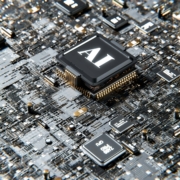
Traditional PIM systems have primarily focussed on organising and centralising product data from various sources. However, the future of product information management is likely to see the integration of artificial intelligence (AI) and machine learning (ML) capabilities. Intelligent PIM systems will not only manage data but also analyse it to derive valuable insights. Through advanced algorithms, these systems will automatically categorise, enrich, and recommend product information, significantly reducing manual efforts and enhancing data accuracy.
Omni-channel integration
In the future, successful PIM strategies will focus on seamless omni-channel integration. As consumers continue to engage with brands across multiple touchpoints, from websites and mobile apps to social media platforms and IoT devices, the need for unified product information becomes even more essential. PIM solutions will evolve to centralise and synchronise data across all channels. This allows for consistent, accurate product messaging and an enhanced overall customer experience.
Dynamic content personalisation
It will be fascinating to see how by leveraging customer data and behavioural analytics, PIM systems will enable businesses to deliver highly targeted product content and recommendations tailored to individual preferences and interests. This will ultimately enhance engagement and drive conversions.
Enhanced data governance
With data privacy regulations becoming increasingly stringent, the future of PIM will prioritise enhanced data governance measures. Businesses must ensure compliance with regulations like GDPR while maintaining data integrity and security. Advanced PIM platforms will offer robust data governance features, including role-based access controls, audit trails, and encryption capabilities. This will make it easier to safeguard sensitive information and mitigate the risk of data breaches.
Compliance and regulatory management
It’s expected that future PIM solutions will offer technology to structure and classify your data according to industry frameworks. In fact, some already do for certain sectors. For example, the Proplanet PIM incorporates the data standardisation templates for ETIM, ETIM-MC, GS1, GLDF, BMF and UNSPSC.
Using a robust compliance framework ensures adherence to industry standards, data privacy regulations, and sustainability initiatives. Automated compliance checks, audit trails, and regulatory reporting capabilities will empower businesses to mitigate risks and demonstrate accountability, thereby enhancing trust and credibility among consumers and stakeholders.
Integration with Augmented Reality (AR) and Virtual Reality (VR)
As AR and VR technologies continue to mature, they will play an increasingly integral role in product visualisation and marketing. PIM platforms of the future will seamlessly integrate with AR and VR applications, allowing consumers to interact with virtual product models in immersive real-world environments before making purchasing decisions. From trying on virtual clothing to visualising furniture in their homes, AR and VR will enhance the online shopping experience and drive engagement, requiring robust PIM systems to manage the underlying product data effectively.
Blockchain for transparency and trust
Blockchain technology holds immense promise for improving the integrity and traceability of product information. By leveraging blockchain’s decentralised ledger and cryptographic security features, PIM systems can ensure the immutability and authenticity of data throughout the product lifecycle. This will be particularly beneficial in industries such as food and pharmaceuticals, where consumers demand transparency and accountability in supply chains. Enabling customers to trace the entire lifecycle of a product – from raw materials to final delivery – allows businesses to foster trust and loyalty while combatting issues like counterfeiting and unethical practices.
Enhanced collaboration and vendor management
The future of product information management will see advancements in seamless collaboration among teams, suppliers, and partners, enabling real-time communication and feedback exchange. Additionally, through integration with supplier portals and automated workflows, businesses can streamline vendor onboarding, data exchange, and compliance management. This will foster stronger relationships and faster time-to-market, and driving innovation and agility in the marketplace.
IoT integration for real-time data insights
The Internet of Things (IoT) is poised to revolutionise product information management by enabling the collection of real-time data from connected devices. Future PIM systems will integrate IoT sensors and devices to gather insights on lots of useful information, such as, product usage, performance, and maintenance needs. This data can be leveraged to optimise product design, anticipate customer needs, and deliver proactive support services.
The future of Product Information Management
What’s on the horizon for product information management is exciting and full of possibilities. As technology continues to advance and consumer expectations evolve, businesses must adapt and embrace these emerging trends to stay ahead. By leveraging intelligent automation, embracing omni-channel integration, prioritising data governance, and embracing emerging technologies like AR, VR, and blockchain, companies can unlock new opportunities for growth and deliver exceptional experiences that delight customers.
PIM is here to stay. As we navigate the complexities of tomorrow’s marketplace, PIM will remain a critical enabler of success, empowering businesses to thrive in an increasingly competitive landscape. The role of PIM will continue to evolve, driving value and differentiation for businesses across industries.
Learn more about how to increase sales with effective PIM.
Our team are experts in successfully implementing and delivering ongoing support for PIM systems. We’ll help you choose a PIM that meets your bespoke business requirements. Get in touch to discover what PIM technology could do for your business.