
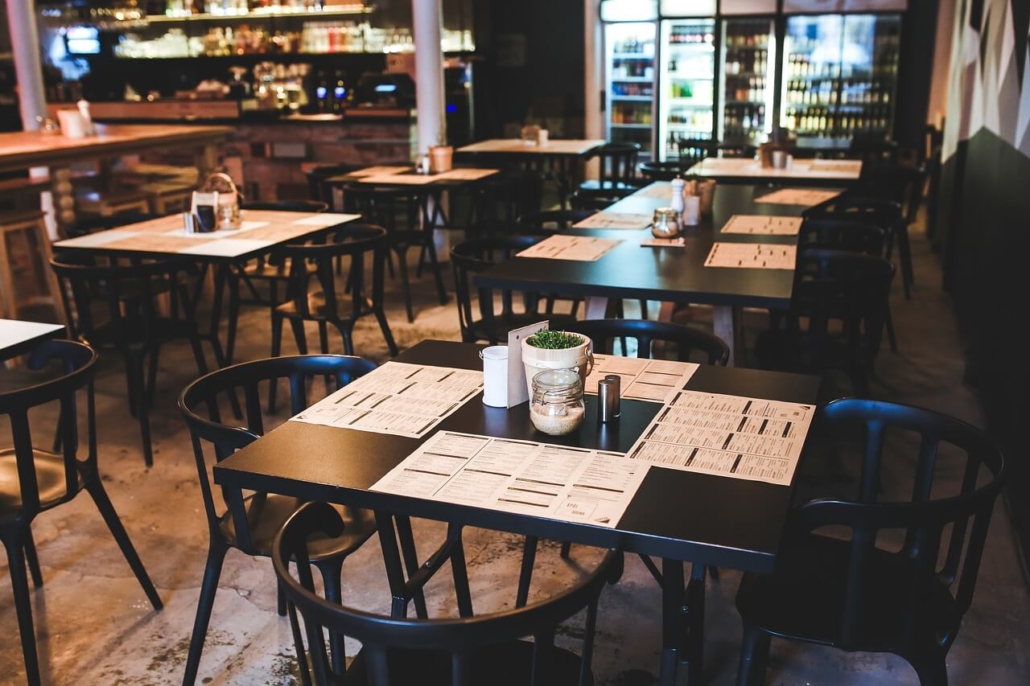
The Benefits of Automating Menu Production for Restaurants
In the hospitality industry, restaurants face constant pressure to keep their marketing materials, especially menus, up to date. Whether it’s adjusting prices due to changing ingredient costs, showcasing new seasonal specials, or maintaining brand consistency across multiple venues, traditional manual design processes often feel like a bottleneck. That’s where automation can make a real difference. By using automated publishing tools, restaurants can streamline their workflow, reduce errors, and ensure their menus look polished every single time. In this article we look at the key benefits of automating menu production for restaurants.
-
Save Valuable Time
One of the most obvious advantages of automation is time savings. Updating a restaurant menu manually often means going back and forth between various departments and the design team, a process that can stretch out for days or even weeks. With an efficient process that incorporates automation, information can be inputted into a shared, centralised database, and the software will instantly generate a new version of the menu in the desired style.
For busy restaurants that change their offerings frequently, automation can cut hours of administrative work down to minutes.
-
Reduce Design Errors and Maintain Consistency
When menus are updated manually, especially across multiple restaurant locations, errors can easily creep in. Missing prices, incorrect spellings, misaligned logos, small mistakes can leave a big impression on customers.
With automation, templates ensure that every new menu is built to the same high standard. Consistent colours, logos, typefaces, and spacing are all locked into the design, so your branding stays uniform across every version. Even better, automated tools draw data directly from your product database to ensure accurate prices, dish descriptions, allergens and even wine pairings.
-
Simplify Multi-Location Management
For restaurant chains or hotels with multiple dining venues, the challenge of keeping menus updated and on-brand becomes even greater. Imagine manually making price and design updates across dozens of locations, it’s a recipe for mistakes and wasted time.
Automating your menu production process allows you to centrally control templates and data. Updating a dish price in one central dashboard can trigger updates to all versions of that menu across every property, with the correct branding and language variations if needed. This keeps all of your venues in sync without placing an extra burden on local managers.
-
Easier Personalisation and Special Menus
Personalisation is a powerful way to enhance the guest experience. Whether it’s creating kids’ menus, gluten-free versions, or seasonal specials, automation tools make it simple to produce variations of your core menu.
You can set up your template once and generate different versions with minimal effort. Some automation tools even allow dynamic menus to be created on the fly, for example, generating a weekend brunch menu that updates itself automatically with new items or promotional offers pulled from your system.
-
Faster Turnaround for Design Changes
Have you ever had to scramble to update menus last minute due to supplier changes or a new chef’s special? Automation helps you adapt quickly. Instead of waiting for a designer to fit you into their schedule, you can use pre-approved templates and make the changes in-house, often in a matter of minutes.
This agility is especially helpful for promotions and time-sensitive updates like limited-time offers. Instead of missing a marketing window due to long design lead times, you can capitalise on opportunities as they happen.
-
Improved Compliance with Branding and Health Regulations
Beyond branding, automated tools can also help you comply with legal requirements. Restaurants and hotels need to include allergens, nutritional information, and other disclaimers that must follow strict guidelines.
Automated design tools can be programmed to always include required information, reducing the risk of errors or omissions that could cause legal trouble or put guests at risk. Consistency and compliance become an inherent part of the process rather than an extra task for your team.
-
Scalability as You Grow
As your business grows, opening new venues or launching new brands, automation scales with you. Instead of creating menus from scratch for every new property, you can use existing templates or product data as a starting point.
This scalability lets you grow faster with fewer headaches. It also frees up your team’s time to focus on creativity and guest experience rather than tedious design work.
-
Aligning Design with Marketing Campaigns
Finally, automation enables seamless coordination between your menus and other marketing materials; digital signage, promotional emails, printed posters, or even your website.
By pulling from the same data source and using unified design templates across all materials, you ensure that every touchpoint looks professional and matches your campaign goals. That means a smoother process for launching promotions and a better customer experience overall.
If you haven’t already explored automation for menu production, now’s the perfect time to do so. Embracing these tools can free up your team to focus on creating amazing food and delivering great service, all while knowing that the marketing materials in front of your guests will always leave a great impression. Book a demo today.



Leave a Reply
Want to join the discussion?Feel free to contribute!